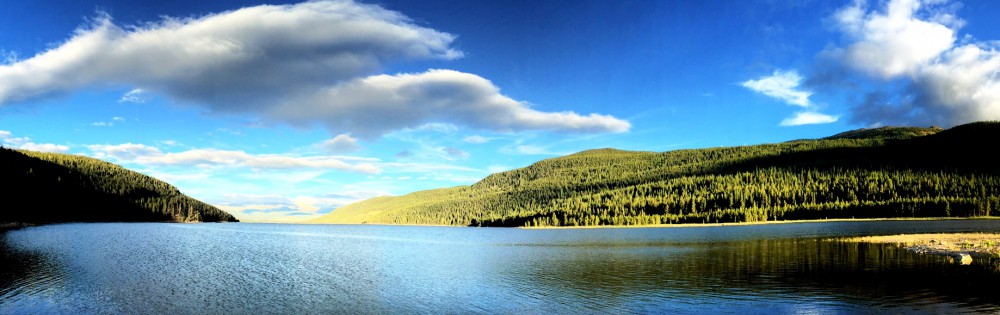
“In Wilderness is the preservation of the World”
– David Henry Thoreau, “Walking”.
Admiration and preservation of nature does not just demand us be engaged and aware, but also, expectant before its startling wisdom and power. How can the filmmaker unravel this extreme beauty into the eyes of the spectator to whom he wants to deliver the most striking image of nature with the intention to move him to act upon the environment? What relationship does the filmmaker want the spectator to establish with the film? How does the filmmaker and spectator interact with the film? What does the film evoke and provoke in our minds (and hearts)?
“Sacred Strides” is a short documentary that I think, unintentionally, is related to “Koyaanisqatsi”. Located in Southeast Utah, Bears Ears is a sacred land for the Ute, Hopi, Navajo, Zuni, Uintah and Ouray Native American peoples. President Obama proclaimed it National Monument in 2016, and was protected until 2017 when President Trump removed the protection and shrinked it from 1,3 million to two hundred thousand acres. These ancestral native tribes fought with each other for centuries, but now they set their differences aside and came together to raise a unified voice for the protection of the land they believe sacred. From their places of origin in New Mexico, Colorado, Arizona and Utah, ran back to their sacred sites through 800miles of desert plateau into Bears Ears to pray as a united tribe for the healing of their land.
The stage of this short film is set mostly in the desert during the days they run, gather around bonfires and prepare for running at dusk or sunrise. Beautiful images of desert landscapes transition between conversations and interviews with lonely runners in remote desert roads. They reflect about the relationship with the land, their history and the origins of the tribal conflicts they try to heal together. Early in the film (min 00:22) a group of Navajo and Ute gather around a bonfire at dusk, is cold, we can hear the tinders of the fire crackling, their tribe leader, Kenneth Maryboy, is exhorting them on the night before their arrival to Bears Ears. He says: “the Pueblo’s, the Zuni’s, the Hopi’s, they go up there, there are certain places, there are dwellings, they do their offerings, they leave the batons. But sadly we are about to lose those…You get earth, mother earth, one time, you don’t get it two times or a third time….where are we gonna get another one if we suffocate mom?”. He talks about the protection of Humanity’s sacred place proclaiming a powerful thought of something bigger than ourselves. He delivers the message in a different format but this is the same as Godfrey Reggio’s Koyaanisqatsi.
“Koyaanisqatsi” is evoking and thoughtful, moving, provocative and conscious. It creates the overwhelming effect that the admiration of nature asks for; it does not leave the spectator indifferent. Is frenetic at times, peaceful others, repetitive and deeply philosophical at the spectators will. The film uses two essential descriptive elements: image and music. Obvious as it sounds these two are threaded seamlessly making the film potent and arousing in an unusual fashion. Firstly is the apocalyptic and mundane nature of some of the images, secondly, is the psychedelic light the music sheds over these images what makes the spectator feel conscious and committed to act.
The film is introduced by and organ melody showing images of prehistoric pictographs in the Utah desert. Immediately after, it switches to a close up of a Saturn V engine igniting and lifting; maybe meaning departure from Earth. A series of images of desert lands in the Colorado Plateau follow. Accompanied by this repetitive circular melody with a bass choir reciting “Koyaanisqatsi” in the background, a slow moving image of the desert displays enduring times, tranquility and equilibrium. The effects of wind and water have shaped this rocky landscape for thousands of years. Clouds are approaching, a tempest is brewing as a simile of the advent of dark times, the arrival of industrialism anticipated by the camera panning down a waterfall. A peaceful calmed sea hit by constant intense winds evolves into a rough and fiery sea. The normal course of nature is broken as industrialism breaks into the landscape setting it off balance.
As the film keeps exploring the violent disconnection progress is producing, two images mostly shock me. After observing people in New York City, at min 42:24 two men walk in the street and in the background the facade of a building with an electric panel displays the phrase: “Grand Illusion”. Seems to be the transitory illusion progress sells us. I connect this image with a later one in min 53:54, when music becomes extremely frenetic pacing the machine-like behavior of the activities people are executing, a sausage factory comes into play. In a time lapse image, industrial manufacturing of sausage links rapidly move across a line of conveyor belts while too men in the sides pick the sausages and line them up in the conveyor to make sure the process is perfect and efficient. Immediately, the image switches to a set of seven escalators delivering people into an upper floor. Like minced meat linked together, humanity is minced by the voracity of industrialism that has detached and alienated it from its natural realm.
The romantic movement skillfully mastered the connection with the powers of nature through the arts. With the logical difference in style and format, it displayed the beauty we can visually see in present environmental films. Although the call for activism, as we know it today, was probably missing as there was yet no need for it, without visual images, romanticism conveyed the connection with nature in the emotional landscape. With the intention of answering some of the initial reflections early in this essay, I think Environmental films today capture the realities humanity faces in its aims to accept its status quo with the environment. Bonding the spectator with striking images or nature, makes us feel more compelled to act. Environmental films usually invite for activism in some way or form. The images, music, reflections, narrations, assembly of the image-thought duality, invite spectators to transform themselves from passive viewers to active protagonists. The final ends of the environmental film is to move spectators from the rationalization of nature we see in the BBC Planet Earth format documentaries to connection with nature and action that films like Sacred Strides or Koyaanisqatsi provoke. The environmental film has the quality of moving and the persuasive ability to call the spectator into action to change.
 Our Funnaminal World